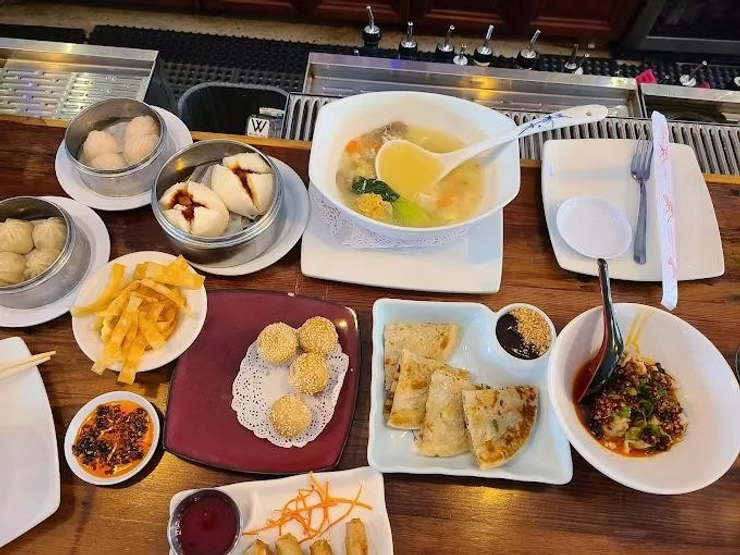
Soft, warm dough filled with tasty bites brings comfort to every food lover. Street stalls and cozy kitchens serve these treats with pride. One bite can feel like a hug. Yet, people mix up two famous stars. Bao buns and dumplings look similar at a glance, but they bring their own style, taste, and feel. Each one tells a different story through shape, texture, and cooking style. So, let’s break it down in a simple way and clear the confusion once and for all.
What Are Bao Buns?
Bao buns, also called “bao,” are soft bread-like pockets. Chefs make them using yeast dough. So, they rise and turn fluffy, almost like a pillow.
These buns come in two main styles. One type is fully closed with filling inside. Another type folds like a taco and holds filling in the middle.
The dough feels light and airy. When you press it, it springs back. That soft bite makes the bao stand out right away.
Common fillings in bao
-
Juicy pork or chicken
-
Crispy fried fillings
-
Fresh veggies with sauces
-
Sweet bean paste or custard
Each bite feels rich and soft. The filling blends with the fluffy dough, so every mouthful tastes smooth and balanced.
What Are Dumplings?
Dumplings are small dough parcels. They use thin dough, not fluffy like bao. Chefs wrap filling inside and seal the edges.
The texture feels different from bao. Dumpling wrappers feel slightly chewy or crisp, depending on how they are cooked.
Dumplings come in many shapes. Some look like little pockets, while others look like crescents.
Popular dumpling cooking styles
-
Steamed for a soft and juicy bite
-
Pan-fried for a crispy base
-
Boiled for a tender feel
-
Deep-fried for a crunchy texture
Each cooking style gives dumplings a new twist. So, one dish can taste very different from another.
Key Differences Between Bao Buns And Dumplings
Now let’s get straight to the point. Bao buns and dumplings differ in dough, texture, size, and cooking style.
1. Dough Type
Bao buns use yeast dough. This dough rises and turns soft and fluffy. Dumplings use a simple dough made from flour and water. No yeast means no rise. So, dumpling wrappers stay thin.
2. Texture
Bao feels soft like bread. It has a light and airy bite. Dumplings feel firmer. Some feel chewy, while others feel crisp if pan-fried.
3. Shape and Size
Bao buns look bigger and thicker. Some even feel like mini sandwiches. Dumplings stay small and neat. They fit in one or two bites.
4. Cooking Method
Bao buns are mostly steamed. This keeps them soft and moist. Dumplings can be steamed, boiled, or fried. Each method changes its taste and feel.
5. Eating Style
People eat bao like a bun or sandwich. Dumplings come in batches. You dip them in sauce and enjoy them one by one.
Why People Love Bao Buns?
Bao buns feel comforting and filling. Their soft texture makes them easy to eat for all age groups.
Kids love them for the soft bite. Adults enjoy the rich fillings. Also, chefs get creative with flavors. You can find spicy, sweet, or savory versions.
Another reason lies in their look. Bao buns look cute and fluffy. They grab attention on any plate.
Why Dumplings Stay A Favorite?
Dumplings win hearts with variety. You can cook them in many ways, so they never feel boring.
The crispy base of pan-fried dumplings adds a nice crunch. Steamed ones feel juicy and light. Boiled dumplings soak in flavor and taste rich.
Also, dumplings pair well with dipping sauces. Soy sauce, chili oil, or vinegar adds a bold kick.
Bao vs Dumplings: Which One Should You Pick?
The choice depends on your mood and hunger level. If you want something soft and filling, go for bao buns. They feel like a full snack or even a small meal.
If you want something light and fun to share, dumplings work best. You can try different flavors in one sitting. Food lovers enjoy both. Each one brings a different vibe to the table.
A Quick Cultural Insight
Both bao buns and dumplings come from Chinese food culture. Families have made them for generations.
Bao buns are linked with comfort meals and street food scenes. Dumplings hold a strong place in family gatherings and festivals.
Each dish carries tradition and taste in every bite. So, trying both gives a deeper feel of authentic flavors.
Final Thought
Bao buns and dumplings may look similar at first, but they differ in every major way. From dough to texture, each one brings a unique experience. Bao buns feel soft and filling, while dumplings bring variety and fun. Trying both lets you enjoy the full range of flavors and textures. So next time you see them on a menu, you will know exactly what to expect.
Craving A Real Taste?
Ready to try both and see the difference for yourself? Step into a place where every bite feels fresh and full of flavor. From soft bao buns to juicy dumplings, every dish brings comfort and joy. Visit Shanghai Bun today and treat your taste buds to something special you will want again and again.
FAQs
1. Are bao buns and dumplings made from the same dough?
No, both use different dough types. Bao buns use yeast dough, which rises and becomes soft and fluffy. Dumplings use simple dough without yeast. This keeps dumpling wrappers thin and slightly chewy, giving a very different texture and bite compared to bao buns.
2. Which one is healthier, bao buns or dumplings?
Health depends on the cooking method and filling. Steamed dumplings and bao buns both feel lighter. Fried dumplings add extra oil, which increases calories. Bao buns may feel heavier due to the thick dough. Choosing veggie or lean meat fillings can help keep things balanced.
3. Can vegetarians enjoy bao buns and dumplings?
Yes, both dishes offer great vegetarian options. Chefs use fillings like mushrooms, tofu, cabbage, and other veggies. These fillings taste rich and satisfying. So, vegetarians can enjoy both without missing out on flavor or texture.
4. Why do dumplings have different textures?
Texture changes based on how dumplings cook. Steamed dumplings feel soft and juicy. Boiled ones feel tender. Pan-fried dumplings get a crispy base with a soft top. Each cooking method gives a new eating experience, which keeps dumplings exciting.
5. Are bao buns always sweet or savory?
Bao buns can be both sweet and savory. Savory versions include meat or veggie fillings. Sweet ones include custard or red bean paste. This variety makes bao buns a flexible dish for snacks, meals, or desserts.