Asian food is full of fun flavors, warm meals, and tasty bites. Some people love hot noodles and crispy dumplings. Others enjoy fresh sushi and light soup. Fans looking for Chinese food in Point Loma, San Diego, enjoy meals packed with flavor and comfort. Chinese and Japanese food may look alike at first. Still, both are very different. Chinese food feels rich, bold, and filling. Japanese food feels fresh, clean, and simple.
From cooking style to ingredients, each cuisine has its own charm. So, let’s check out the key differences between these two popular food styles.
Chinese Food Is Bold And Rich
Chinese food is known for strong flavor and big meals. Chefs use garlic, ginger, soy sauce, vinegar, and chili oil to make dishes tasty and rich.
Chinese meals also come in many styles. Some dishes taste spicy. Some feel sweet. Others taste smoky or salty. Every bite feels full of flavor.
Food is cooked fast in hot pans called woks. This gives dishes a smoky taste that people really enjoy.
Popular Chinese Dishes
- Fried rice
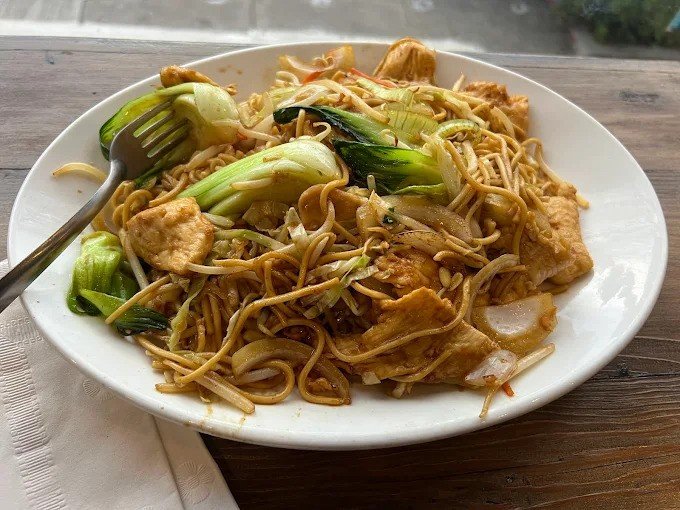
- Chow mein
- Orange chicken
- Dumplings
- Spring rolls
- Hot soup
People searching for Chinese food in Point Loma love these dishes for their rich flavor and warm comfort.
Japanese Food Feels Light And Fresh
Japanese food keeps things simple. Chefs use fresh fish, rice, vegetables, and light sauces. Food feels clean and balanced. Japanese meals are also neat and pretty. Every dish looks fresh and colorful on the plate.
Seafood plays a big role in Japanese cooking. Rice is also a main part of most meals.
Popular Japanese Dishes
- Sushi
- Ramen
- Tempura
- Udon noodles
- Sashimi
- Miso soup
Japanese food may feel lighter than Chinese food, but it still brings lots of flavor.
Quick Comparison:
| Feature | Chinese Food | Japanese Food |
| Flavor | Bold and rich | Light and fresh |
| Main Foods | Noodles, rice, meat | Rice, seafood, tofu |
| Cooking Style | Stir fry and fry | Grill and steam |
| Portion Size | Big and shared | Small and neat |
| Sauces | Thick and rich | Light and simple |
| Dining Style | Shared dishes | Personal meals |
Ingredients Are Different
Chinese food uses lots of ingredients in one dish. Chefs mix meat, vegetables, noodles, and sauces together. Meals feel rich and full.
Japanese food uses fewer ingredients. Meals focus more on fresh taste instead of heavy sauces.
For example, Chinese noodles may come with spicy sauce and fried meat. Japanese noodles usually come in a light soup with fresh toppings. Chinese dishes also mix lots of textures. One bite may feel crispy, soft, juicy, and crunchy all at once.
Cooking Styles Change the Taste
Cooking style makes a big difference between Chinese and Japanese food. Chinese chefs cook food fast on high heat. Stir-frying keeps vegetables crunchy and gives meat a smoky taste. Frying is also common in Chinese cooking.
Japanese chefs use grilling and steaming more. Raw fish dishes like sushi are also very popular.
Cooking Methods Compared
| Cooking Method | Chinese Cuisine | Japanese Cuisine |
| Stir Fry | Very common | Rare |
| Deep Fry | Used in several dishes | Used in tempura |
| Grilling | Some dishes | Very common |
| Raw Food | Less common | Very popular |
| Steaming | Dumplings and buns | Fish and rice dishes |
Chinese food feels heavier and richer. Japanese food feels lighter and cleaner.
Flavor Feels Very Different
Chinese food is full of strong flavor. Sweet, spicy, salty, and smoky tastes mix together in one dish. Sauces are a huge part of Chinese cooking.
Japanese food keeps its flavor soft and fresh. Soy sauce, broth, and miso add taste without making food too heavy.
People craving comfort food usually choose Chinese meals. People wanting light and fresh dishes may enjoy Japanese food more. Fans looking for the best Chinese restaurant in San Diego, CA, want warm noodles, rich sauces, and crispy bites.
Dining Style Is Different Too
Chinese meals are made for sharing. Families and friends sit around the table and enjoy several dishes together. It feels fun, loud, and social.
Japanese dining feels calm and quiet. Each person gets their own meal or tray. Food is placed neatly on the table. Both dining styles feel special in different ways.
Rice And Noodles Matter In Both Cuisines
Rice is important in both Chinese and Japanese food. Still, each cuisine uses it differently. Chinese restaurants serve fried rice, steamed rice, and rice with rich meat dishes. Long-grain rice is common.
Japanese food uses sticky short-grain rice. Sushi rice has a light vinegar taste and pairs well with seafood. Noodles are also different in both cuisines.
Chinese Noodles
- Lo mein
- Chow mein
- Hand-pulled noodles
- Dan dan noodles
Japanese Noodles
- Ramen
- Udon
- Soba
- Yakisoba
Chinese noodles feel rich and saucy. Japanese noodles feel light and warm.
Street Food And Snacks
Chinese street food is bold and crispy. Dumplings, buns, pancakes, and skewers are popular snacks. Japanese snacks feel lighter and fresher. Rice balls, tempura, and takoyaki are common street foods.
People looking for Chinese food in Point Loma, San Diego, also enjoy quick snacks like dumplings and spring rolls with friends and family.
Which Cuisine Is Healthier?
Japanese food gets praise for fresh fish, light soup, and smaller portions. Meals use less oil and fewer heavy sauces.
Chinese food can feel heavier due to fried dishes and rich sauces. Still, healthy choices are easy to find. Steamed vegetables, soup, tofu, and rice bowls can be good options.
Healthy eating depends on what you order and how much you eat.
Which Food Should You Try?
Both cuisines bring amazing flavor and fun meals. Chinese food is great for people who love rich taste and filling dishes. Japanese food works well for people who enjoy fresh and simple meals.
Trying both cuisines is a great way to enjoy new flavors and food styles. Plus, sharing meals with family and friends makes everything better.
Enjoy Rich Chinese Food Today
Craving juicy dumplings, warm noodles, crispy snacks, and rich flavor? Visit Shanghai Bun for a fun meal packed with fresh ingredients and tasty dishes. Guests searching for Chinese food in Point Loma can enjoy delicious food made with care, flavor, and tradition in every bite.
FAQs
Q. What is the main difference between Chinese and Japanese food?
A. Chinese food uses rich sauces, spices, and mixed textures. Japanese food focuses on fresh ingredients, light flavor, and simple cooking styles with clean presentation.
Q. Is Japanese food healthier than Chinese food?
A. Japanese meals use lighter cooking and smaller portions. Chinese food can feel heavier. Both cuisines still offer healthy meals with vegetables, soup, seafood, tofu, and rice.
Q. Why does Chinese food taste stronger?
A. Chinese chefs use garlic, soy sauce, vinegar, and chili oil for bold flavor. Japanese food keeps flavors lighter and lets fresh ingredients stand out naturally.
Q. Which cuisine has more noodle dishes?
A. Chinese cuisine has several rich noodle dishes with sauce and meat. Japanese cuisine also serves ramen, soba, and udon noodles with light broth and toppings.
Q. Which cuisine is better for family meals?
A. Chinese meals work great for sharing with family and friends. Japanese restaurants mostly serve personal meals prepared for each guest separately.