
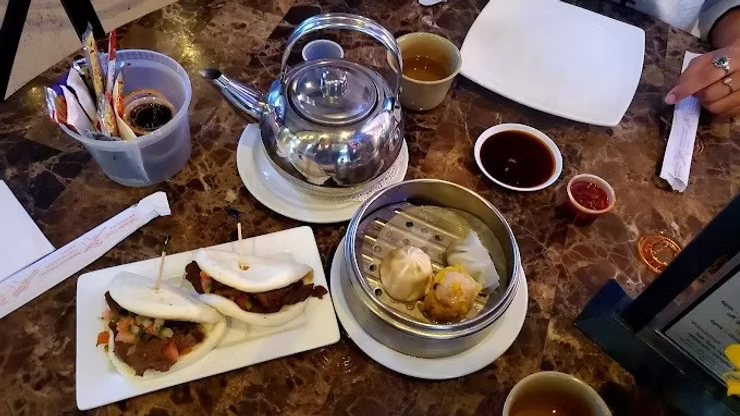
Food brings people together in the best way. Small plates, shared bites, and happy chatter make every meal feel special. At Shanghai Bun, guests dive into rich flavors and fun dining styles. One question pops up a lot. What sets dim sum apart from Chinese tapas? Both look similar at first glance, yet each carries its own story, style, and vibe. If you enjoy Chinese food in Point Loma, San Diego, this guide will help you pick your next feast with ease.
Let’s break it down in a simple and clear way.
What Is Dim Sum?
Dim sum feels like a grand tradition. It started in southern China, mainly in the Cantonese culture. People gather for tea and small dishes. Each plate comes fresh, warm, and full of flavor.
At places like Shanghai Bun, dim sum brings comfort and joy. You get bite-sized food, served in bamboo steamers or small plates.
Key Features of Dim Sum
-
Served with tea as part of a full experience
-
Includes dumplings, buns, rolls, and sweets
-
Focus on steaming, frying, and baking
-
Usually eaten during brunch or lunch
-
Shared among friends or family
Popular dishes include shrimp dumplings, pork buns, and siu mai. Fans of Soup dumplings in San Diego love dim sum for its rich broth and soft wrappers.
Dim sum feels warm and classic. It tells a story with every bite.
What Are Chinese Tapas?
Chinese tapas bring a modern twist. The idea takes inspiration from Spanish tapas, where small plates come in waves. Chefs play with flavors, textures, and presentation.
Chinese tapas do not stick to one region. Instead, they mix styles from across China. You may see bold spices from Sichuan or sweet notes from Shanghai.
Key Features of Chinese Tapas
-
Focus on creative small plates
-
Mix of traditional and modern dishes
-
Flexible serving times, from lunch to dinner
-
Great for social dining and sharing
-
Strong focus on plating and style
At Shanghai Bun, Chinese tapas give guests a chance to try many flavors in one meal. It feels fun, lively, and full of surprises.
Dim Sum Vs Chinese Tapas: Core Differences
Both styles serve small plates, yet they differ in purpose and experience. Here is a clear look at how they stand apart.
1. Tradition vs Innovation
Dim sum stays close to tradition. Recipes are passed down through the years. Each dish keeps its roots strong.
Chinese tapas lean into creativity. Chefs mix ideas and try new things. You may see fusion dishes or bold flavor combos.
2. Dining Style
Dim sum follows a set flow. Tea comes first, then the dishes roll out in rounds.
Chinese tapas feel more relaxed. You order plates at your pace. It fits both quick bites and long meals.
3. Menu Structure
Dim sum menus stay focused. You see dumplings, buns, and a few sides.
Chinese tapas menus spread wider. You may find noodles, grilled items, and even street-style snacks.
4. Experience
Dim sum feels calm and cozy. It suits family meals and slow mornings.
Chinese tapas bring energy. Friends gather, share plates, and enjoy a lively vibe.
Dining Experience At Shanghai Bun
Shanghai Bun brings both worlds together in a smart way. Guests can enjoy classic dim sum while also trying creative small plates. This mix makes it a top pick for Chinese food in Point Loma.
The space feels warm and welcoming. Service moves fast but stays friendly. Food arrives fresh, hot, and ready to share.
What You Can Expect
-
Fresh dumplings made daily
-
Flavor-packed small plates
-
Cozy seating for groups and families
-
A menu with both classic and modern picks
If you crave thebest soup dumplings in San Diego, Shanghai Bun delivers big flavor in every bite. Juicy filling, thin skin, and rich broth make each dumpling stand out.
When Should You Choose Dim Sum?
Dim sum fits certain moods and moments.
-
Weekend brunch with family
-
Casual meet-ups with friends
-
Slow meals with tea and chats
-
Comfort food cravings
It feels like a hug on a plate. You sit, relax, and enjoy simple joys.
When Should You Go for Chinese Tapas?
Chinese tapas shine during lively outings.
-
Evening meals with friends
-
Date nights with variety
-
Group dining with shared plates
-
Food adventures with new flavors
You get more freedom to explore. Every plate feels like a new story.
Final Thoughts
Dim sum and Chinese tapas may look alike, yet each offers a unique journey. Dim sum keeps tradition alive with warm, classic dishes. Chinese tapas bring a fresh twist with bold and creative plates.
Shanghai Bun gives you both worlds in one place. Whether you want a calm meal or a lively feast, you will find something to love.
Ready To Try It Yourself?
Visit Shanghai Bun and explore a menu full of flavor and fun. Gather your friends, order a mix of dishes, and enjoy every bite. Your next favorite meal is waiting.
FAQs
1. What is the main difference between dim sum and Chinese tapas?
Dim sum follows a traditional style with tea and classic small dishes like dumplings and buns. Chinese tapas focus on modern ideas, mixing flavors and styles from different regions. Both serve small plates, but the dining experience and menu approach feel quite different.
2. Are soup dumplings part of dim sum or Chinese tapas?
Soup dumplings mainly belong to dim sum, especially in Shanghai-style cuisine. They come steamed with rich broth inside. Some modern restaurants include them in Chinese tapas menus, but their roots stay tied to traditional dim sum culture and cooking methods.
3. Is dim sum only served during the day?
Dim sum is usually served during brunch or lunch hours. This comes from its link with tea culture. Some restaurants now offer it all day, but the classic experience still leans toward daytime dining with a relaxed and social vibe.
4. Can I try both styles at Shanghai Bun?
Yes, Shanghai Bun offers a mix of traditional dim sum and modern small plates. Guests can enjoy classic dumplings along with creative dishes. This mix gives a full dining experience, perfect for both comfort food lovers and those seeking something new.
5. Which option is better for group dining?
Both styles work well for groups, but Chinese tapas feel more flexible for sharing and trying many dishes. Dim sum also suits groups, especially for brunch. Your choice depends on mood, time of day, and how adventurous you feel with flavors.