Chinese food tells stories. Each region speaks through heat, texture, and balance. A single menu can feel like a map of history, climate, and culture. Diners exploring Chinese cuisine in San Diego often spot clear contrasts between regions, yet the reasons behind those flavors stay hidden. This guide breaks it all down in plain words. Expect real insight, easy comparisons, and tips to help you order with confidence next time.
Why Regional Chinese Cuisine Feels So Different
China spans vast land, rivers, and coastlines. Farming styles shift. Weather changes. Local tastes grow bold or soft. Over time, cooks built styles around what worked best at home. Chili thrived in humid zones. Seafood-shaped coastal plates. Wheat replaced rice up north. Each region stayed true to local needs, which explains the strong contrasts today.
Sichuan Cuisine: Heat With Depth
Sichuan food brings a punch. Chili and peppercorn rule the table. Heat feels sharp, then numbing. Yet flavor never stops at spice. Layers stack fast.
Signature traits include fermented beans, garlic, and chili oil. Sauces feel thick and bold. Dishes hit salty, spicy, and savory notes in one bite.
Popular plates include mapo tofu, kung pao chicken, and dry-fried green beans. Spice fans chase Sichuan flavors while dining near cocktail bars in San Diego, since bold drinks balance heat well.
Shanghai Cuisine: Soft, Sweet, and Rich
Shanghai food feels gentle. Sweet notes show up often. Soy sauce brings depth. Oil adds shine. Texture matters as much as taste.
Braising plays a key role. Meats cook slowly. Sauces soak deep. Sugar pairs with soy for a smooth finish.
This region also shines with dough work. Xiao long bao steals the show. These soup-filled dumplings burst with broth and pork flavor. Fans hunting for the best soup dumplings in San Diego often lean toward Shanghai style for this reason.
Cantonese Cuisine: Fresh First
Cantonese cooking focuses on clarity. Ingredients speak for themselves. Sauces stay light. Cooking stays quick.
Steaming rules here. Stir-fry stays clean. Roasting adds crisp skin to meats. Seafood lands fresh on the plate with little cover.
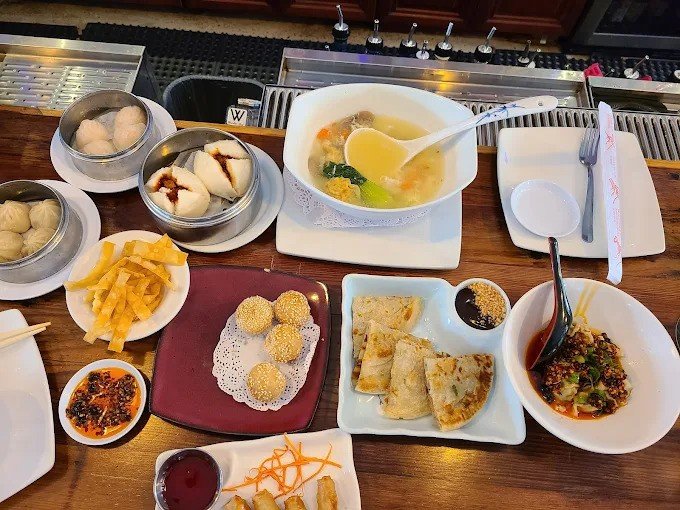
Dim sum grew from this region. Small bites fill bamboo baskets. Shrimp dumplings, pork buns, and rice rolls offer variety without heavy spice. This style pairs well with light drinks and social dining near Chinese food in Point Loma spots.
Hunan Cuisine: Pure Fire and Smoke
Hunan food goes hot, yet feels different from Sichuan. Chili heat feels direct. Peppercorn numbness stays out. Smoke and sour notes step in.
Fresh chilies lead the way. Pickled veg adds bite. Stir-fry stays fast and rustic. Flavors hit sharp and clean.
Smoked pork with peppers and spicy fish dishes show Hunan’s edge. This style suits diners who crave bold heat without sweet notes.
Key Differences at a Glance
Each region brings a clear focus. This quick list helps lock it in:
l Sichuan leans on chili and peppercorn
l Shanghai favors sweet soy and braising
l Cantonese highlights freshness and steam
l Hunan delivers straight chili heat and smoke
Knowing these traits helps diners pick dishes with less guesswork, especially while chasing the best dumplings in San Diego across varied menus.
How Dumplings Change Across Regions
Dumplings reflect local taste. Shanghai versions hold soup inside a thin skin. Cantonese dumplings stay light with shrimp and pork. Sichuan dumplings bathe in chili oil. Hunan dumplings bring heat through fresh chilies.
Dough thickness, filling, and sauce shift by region. Fans seeking soup dumplings in San Diegooften compare broth strength, wrapper stretch, and pork richness to judge quality.
Choosing a Region Based on Mood
Craving warmth and comfort works best with Shanghai braises. Heat seekers lean toward Sichuan or Hunan. Social meals shine with Cantonese dim sum. Each style fits a different mood.
Understanding these cues helps diners order with ease. Menus stop feeling long and confusing. Meals feel more personal.
Why Regional Knowledge Improves Dining
Knowing regions turns eating into an experience. Flavors make sense. Pairings feel right. Expectations match the plate.
San Diego’s food scene offers access to all four styles. Learning the basics helps diners explore deeper and enjoy each bite with purpose.
Ready to Taste the Difference?
Curious to explore these regional flavors in one place? Visit Shanghai Bun and dive into classic techniques, rich broths, and handcrafted dumplings inspired by tradition. Each dish reflects care, balance, and bold taste. Bring friends, share plates, and explore flavors tied to real regions. One visit turns curiosity into craving, and every bite tells a deeper story of Chinese cooking culture.
FAQs
1. Which regional cuisine feels least spicy?
Cantonese food stays mild and clean, with a focus on fresh taste.
2. Are soup dumplings found in all regions?
No. They trace back to Shanghai and nearby areas.
3. How does Sichuan heat differ from Hunan heat?
Sichuan brings numbing spice. Hunan delivers direct chili burn.
4. Which style suits first-time diners best?
Shanghai or Cantonese works well due to balanced flavors.
5. Do all regions use rice as a base?
Southern regions favor rice, while northern areas lean on wheat.