
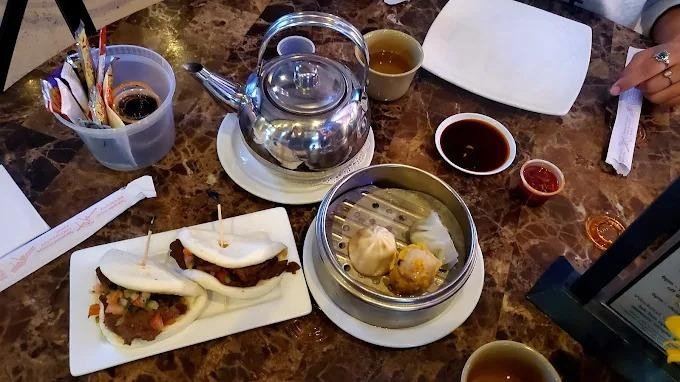
Fluffy, warm, and full of flavor, steamed buns feel like comfort food you can trust. They look light, taste rich, and fill you up fast. So, the big question pops up. Can this soft treat fit into a weight loss plan? The answer is not black or white. It depends on how you eat, what goes inside, and how much you enjoy in one go.
Steamed buns, also known as bao, bring a mix of carbs, protein, and a little fat. They are not fried, so they skip heavy oil. This gives them a better edge than deep-fried snacks. Still, portion size and filling matter a lot. Let’s break it down in a simple way.
What Makes Steamed Buns A Better Choice?
Steamed buns stand out due to their cooking style. No oil bath, no crispy shell loaded with fat. Instead, you get a soft texture made with steam heat.
Here is why they can support weight goals:
- Low-fat cooking method
Steaming keeps fat levels low. This helps cut down on extra calories from oil. - Portion control made easy
Each bun comes in a neat size. You can track how much you eat without guesswork. - Balanced filling options
Fillings can include lean meat, tofu, or veggies. These add protein and fiber. - Satisfying texture
Soft dough and warm filling make you feel full. This helps reduce extra snacking later.
So yes, steamed buns can fit into a weight loss plan. But you need to watch what goes inside and how many you eat.
Calories And Nutrition: What You Need To Know
A single steamed bun may carry around 150 to 250 calories. The number shifts based on size and filling. A veggie bun sits on the lower side, while pork or sweet custard buns go higher. Carbs form the base since the dough uses flour. Protein comes from the filling. Fat stays low unless the filling has oily meat or sauce.
Now, here is the catch. Eating two or three buns in one sitting can push calorie intake up fast. So, balance plays a key role. Pair buns with light sides like soup or greens to keep meals clean and filling.
Are All Steamed Buns Equal?
Not really. Some buns help your goal, while others slow it down. It all comes down to the filling and the dough.
Healthier Choices
Veggie buns, chicken buns, and tofu buns work well. They bring fiber and lean protein. These help you stay full for longer hours.
Less Friendly Options
Sweet buns or fatty meat buns add extra sugar and fat. These raise calorie count fast. They feel tasty, but can slow your progress if eaten in large amounts.
Dough Matters Too
White flour buns digest fast. This may lead to hunger soon after. Whole wheat buns or mixed grain buns offer better fiber and slower digestion.
How to Enjoy Steamed Buns Without Guilt
Eating steamed buns does not mean giving up your weight loss plan. You just need a smart approach.
Simple Tips To Keep It Healthy
- Stick to 1 or 2 buns per meal: This keeps calories under control and avoids overeating.
- Pick lean fillings: Go for chicken, tofu, or mixed veggies. Skip heavy sauces.
- Add a side of greens: A bowl of salad or soup balances your meal and adds fiber.
- Eat slowly and chew well: This helps your body feel full with less food.
- Avoid sugary drinks: Pair your meal with water or green tea instead.
These small changes go a long way. You still enjoy your food while staying on track.
Steamed Buns Vs Fried Snacks
Let’s keep it real. Fried snacks like samosas or spring rolls pack more fat due to oil. Steamed buns skip this step. So, they start with a lower-calorie base. Also, fried foods can feel heavy and lead to sluggish digestion. Steamed buns feel lighter and easier on the stomach. This helps maintain energy through the day.
Still, balance is key. Even healthy food can lead to weight gain if eaten in large amounts. Keep your portions smart, and you are good to go.
Can Steamed Buns Replace A Full Meal?
Yes, they can. But you need to build a balanced plate. A meal with only buns may miss fiber or key nutrients.
A better idea is to combine:
- One or two steamed buns
- A bowl of clear soup
- A side of sautéed or fresh vegetables
This mix gives carbs, protein, and fiber. It keeps you full and supports steady energy levels.
Final Thoughts
Steamed buns can be part of a weight loss plan. They are not magic food, but they are not the enemy either. Smart choices make all the difference. Pick the right filling, control portions, and pair with healthy sides.
Food should feel good and taste good. You do not need to cut out your favorite bites. You just need to enjoy them in a smart way.
Ready To Enjoy A Smart Bite?
Craving something warm, soft, and full of flavor without messing up your goals? Visit Shanghai Bun and explore a menu crafted with balance in mind. Each bite brings comfort and care, with options that fit your lifestyle. Treat yourself today and keep your food game strong.
FAQs
Q. Are steamed buns better than bread for weight loss?
A. Steamed buns and bread both use flour, so carbs stay similar. The difference lies in portion and filling. Buns with lean fillings give more balance. Bread can work too, but toppings like butter or jam may add extra calories.
Q. Can I eat steamed buns every day while losing weight?
A. Daily intake can work if portions stay small and fillings stay healthy. Balance your meals with veggies and protein. Keep track of total calorie intake. Variety in diet helps provide more nutrients, so mix up your meals across the week.
Q. Do steamed buns cause belly fat?
A. No single food causes belly fat. Weight gain comes from excess calorie intake over time. Eating too many buns, especially with fatty fillings, can add calories. Moderation and balanced meals help prevent unwanted weight gain.
Q. Are veggie steamed buns a good snack option?
A. Yes, veggie buns make a good snack. They are light, filling, and low in fat. Pairing them with green tea or a light soup adds more value. Keep portion size in check to avoid excess calorie intake.
Q. What is the best time to eat steamed buns for weight loss?
A. Midday works best since your body uses energy during active hours. Eating them at lunch helps burn calories throughout the day. Late-night intake may slow digestion and lead to excess calorie storage.